For the average rider, inner tubes have been one of the most enduring and unchanging parts of bicycle design over the decades. They’re made of rubber, they have a Schrader or Presta valve, and they generally do an okay job at cushioning the ride.
However, if you’re an above-average rider, or just obsessive about your gear, you might consider butyl rubber tubes rather old hat. Today, there are far fancier—and more expensive—options on the market if you’re looking to squeeze every drip of performance out of your bike.
A Series Of Tubes
Butyl rubber inner tubes have a lot of things going for them, which is why they’ve been the standard forever. Rubber holds air well, and is easy enough to repair in the event of a puncture. It’s also cheap. However, there are some ways in which the butyl inner tube holds a bicycle back. A thick rubber tube isn’t exactly light; even in a road bicycle application, a single tube can weigh 100 grams or more. They also add to the rolling resistance of a wheel and tire combination. In these regards, other materials have the potential to offer greater performance.
Latex
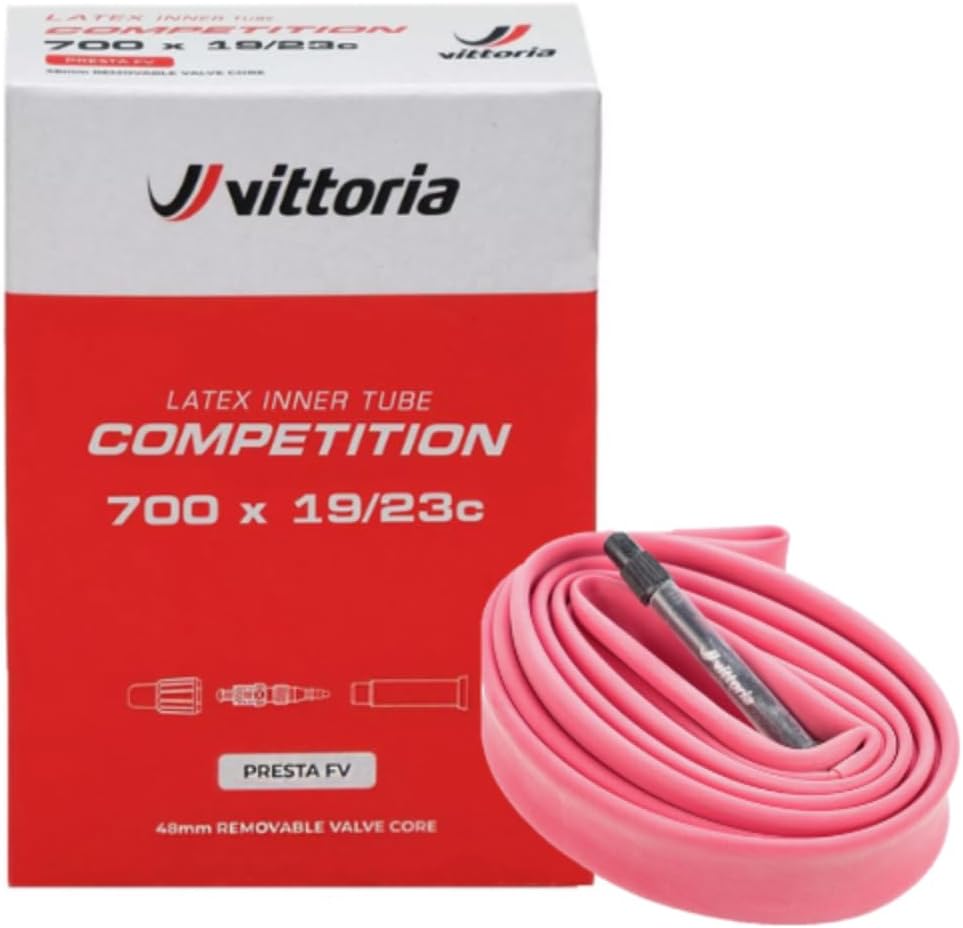
Latex is a material with many familiar uses, but it’s also recently become a popular alternative material for making inner tubes. It has the benefit of being very light, with a typical road bike latex tube saving 50 grams or more compared to the butyl rubber equivalent. The more flexible material also reduces rolling resistance by several watts at higher speeds, something which can make a real difference under competitive racing conditions. In a more qualitative sense, many riders also prefer the feel of riding on lighter latex tubes.
However, latex tubes also come with drawbacks. The ultra-thin, lightweight material can be susceptive to sudden failure from excessive heat, which can risk a crash in the worst cases. For this reason, the lightest latex tubes are often recommended for use on disc brake bikes only, due to the high temperatures that can be generated by rim brakes on a long descent. Latex tubes also lose air relatively quickly, and thus it’s recommended to pump up latex tubes to the required pressure ahead of every ride. They’re also difficult, but not impossible, to patch, and require some care to avoid damaging their thin walls during installation.
TPU
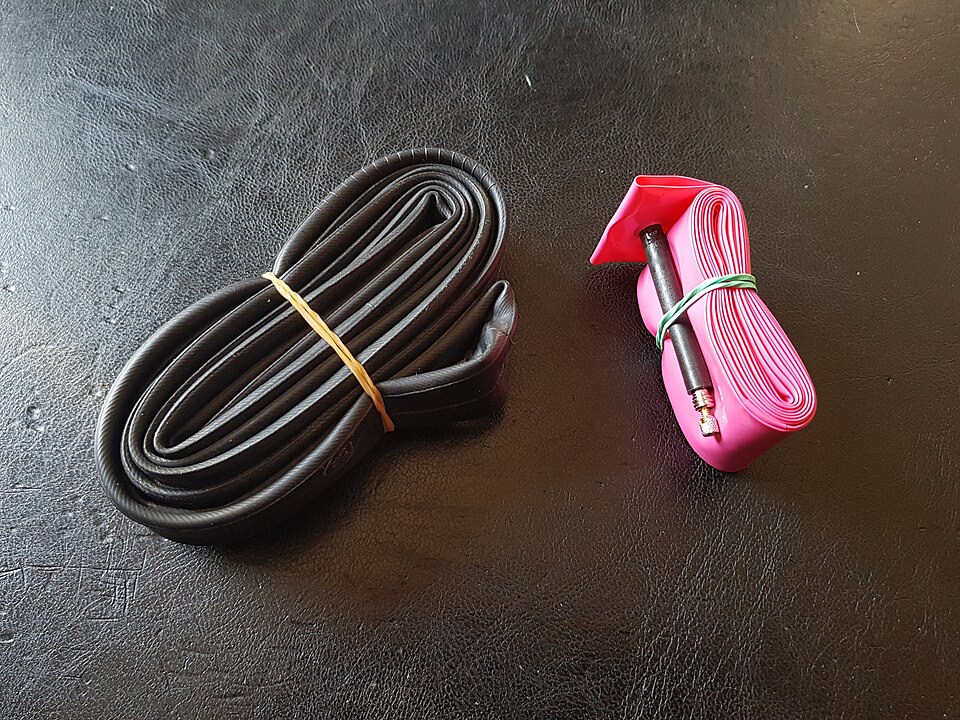
You might be familiar with thermoplastic polyurethane (TPU) for its use as a flexible 3D printing filament. As it turns out, it’s also a viable material for producing bicycle inner tubes. TPU tubes shave off weight and rolling resistance compared to butyl rubber, albeit not quite as much as the finest latex tubes out there. They do, however, hold air a lot better than latex, reducing the need to reset tyre pressure before each ride. Ride quality is also generally considered better than rolling on traditional butyl rubber tubes. TPU tubes also fold up incredibly small—a largely meaningless benefit in use, but really helpful if you’re trying to pack a spare or three to take on a ride.
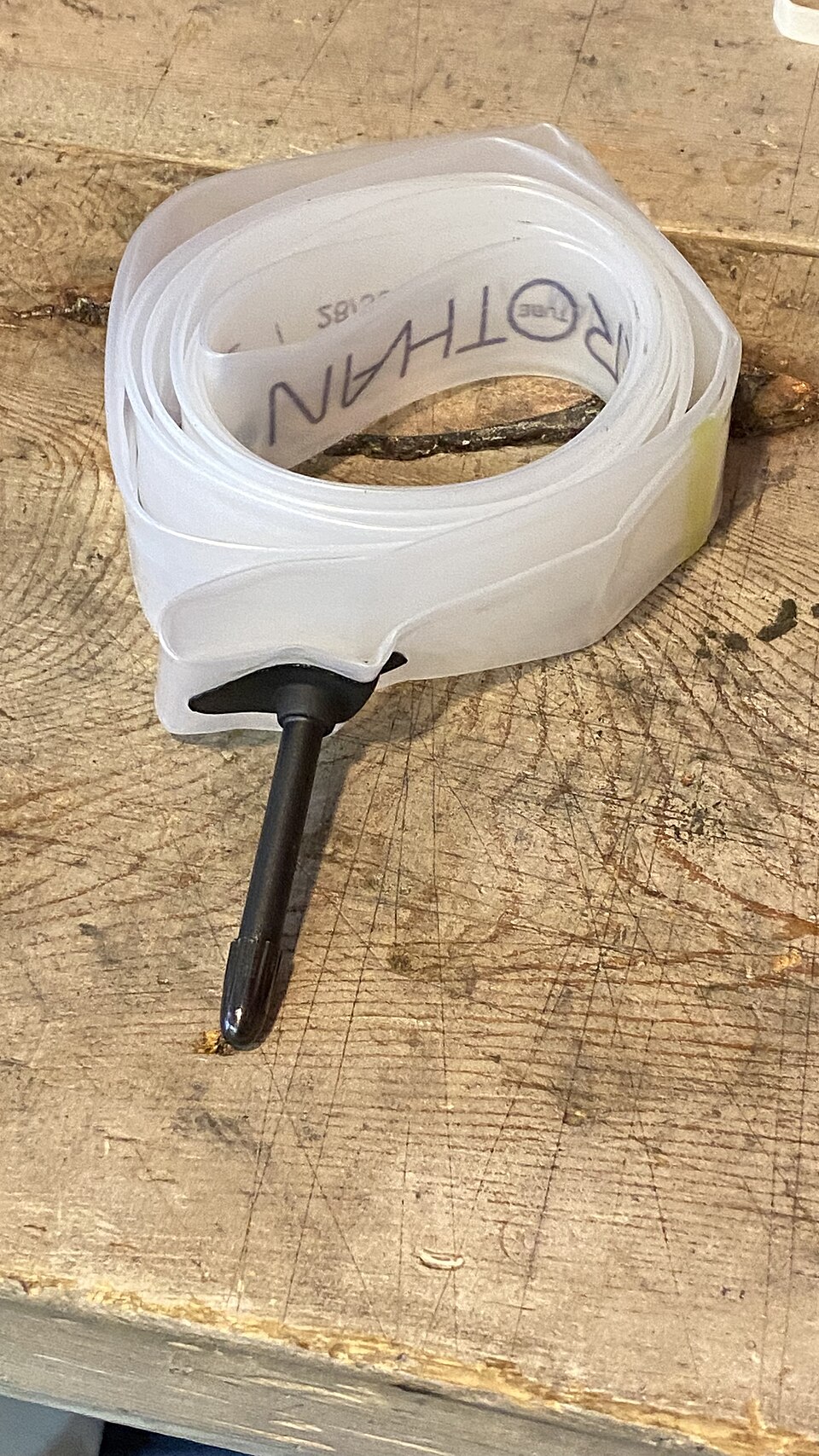
Unfortunately, TPU tubes can be quite expensive to procure—often double the price of latex and three or four times that of a butyl rubber tube. The thinnest versions can similarly be at risk of heat failures when used with rim brakes, so it’s important to check before installation if your TPU tubes are rated for use with disc brakes only. Puncture repair can also be difficult, though there are some specialist patches on the market if you wish to attempt it.
Roll, Roll, Roll
It’s worth noting that there is another way to go, as well. It’s possible to buy wheel and tire setups that eliminate inner tubes entirely. These “tubeless” systems offer a major weight reduction, and tend to have lower rolling resistance than even the lightest, most flexible tube setups out there. They’re not really a development of tube technology, but moreso a divergence in wheel and tyre design. In any case, they are pricy, and can require some special equipment to install and maintain. To allow them to self-heal in the event of minor punctures, they’re also typically filled with sealant. In the event of more serious damage, it’s often still possible to install a tube to keep riding, but this is an incredibly messy process that will get sealant all over you.
If you’re a regular commuter cyclist, butyl rubber tubes will probably remain your go-to choice. They’re the cheapest to buy, the easiest to repair, and any benefits from lighter, more efficient tubes are largely wasted on a commute. However, if you’re an avid road cyclist looking for the best feel and efficiency, or especially if you’re getting serious about racing, then you really ought to consider leaving butyl behind for something better. Happy cycling!