With all the hoopla surrounding the recent launch of the new Raspberry Pi 4, it’s easy to overlook another event in the Pi calendar. July will see the fifth anniversary of the launch of the Raspberry Pi Model B+ that ushered in a revised form factor. It’s familiar to us now, but at the time it was a huge change to a 40-pin expansion connector, four mounting holes, no composite video socket, and more carefully arranged interface connectors.
As the Pi 4 with its dual mini-HDMI connectors and reversed Ethernet and USB positions marks the first significant deviation from the standard set by the B+ and its successors, it’s worth taking a look at the success of the form factor and its wider impact. Is it still something that the Raspberry Pi designers can take in a new direction, or like so many standards before it has it passed from its originator to the collective ownership of the community of manufacturers that support it?
Evolution Of A Form Factor From An Accidental Success
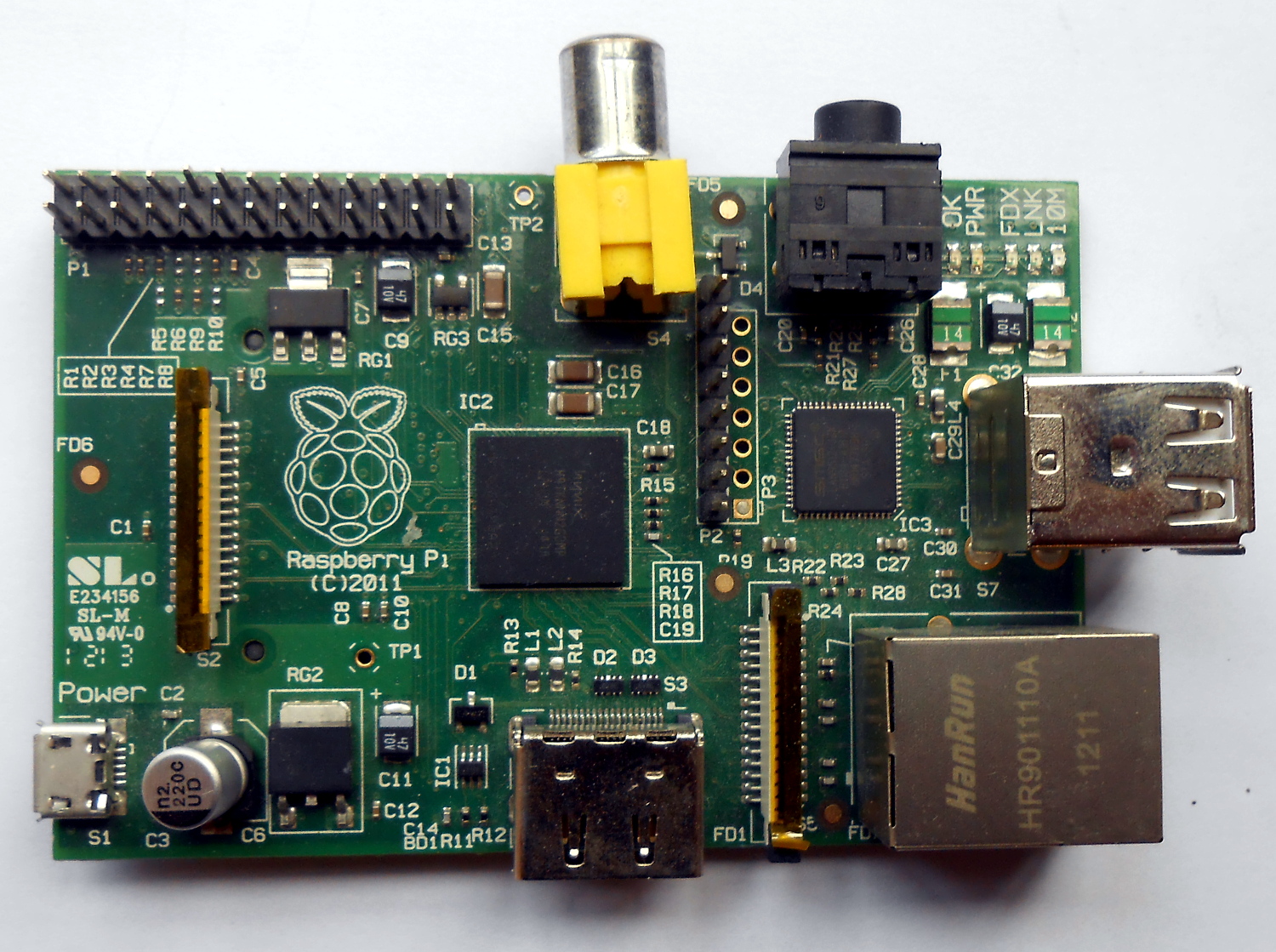
The first Raspberry Pi that we could buy back in 2012 was not the polished production of a slick electronics company, instead it was a shoestring creation from a group of electronics and computing professionals who only expected to sell a few tens of thousands of their board in the hope that they’d teach some kids to code. Following their production blogs from those nervous few months over the autumn and winter of 2011 was a fascinating course in the challenges of preparing a complex board for production, as we learned about the Chinese assembly company creating the first samples, and then about a truly heroic SMD rework task on that very first batch.
It’s fair to say that simply getting it to the point at which we could buy a Pi was the stellar achievement, and the layout of the board itself owed more to necessity than an eye towards a future line of successors. The credit-card size was perfect but there were no mounting holes for example, and the various connectors were positioned at all points of the compass with the composite video and USB sockets protruding over the board edge.
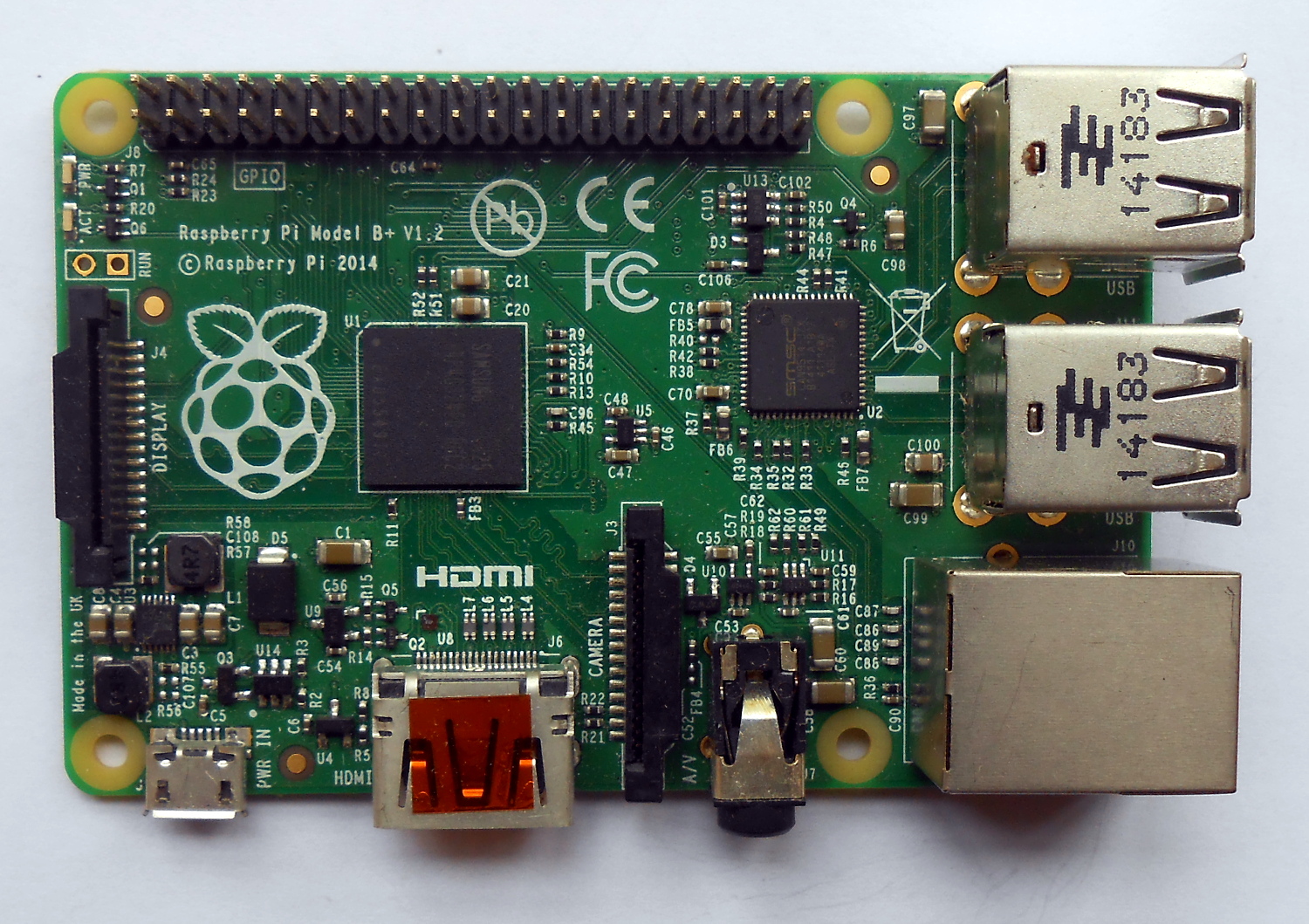
By a combination of a winning price point, a usable and supported software distribution, and a cleverly managed dose of positive publicity, that first Raspberry Pi surpassed those initial modest expectations many times over. Its launch was massively oversubscribed, and it continued to sell in huge numbers. Production was moved from China to the Sony plant at Pencoed, Wales, and a revised version was produced that fixed a few bugs and added a couple of mounting holes where they could be shoehorned in among the other components.
Clearly something better was called for, and the B+ in 2014 delivered what was essentially the same hardware as the original with those aforementioned mounting holes, tidied-up connectors, and a new pin header. This form factor became the basis of the new HAT specification for expansion boards, with its pair of extra pins to serve a little EEPROM containing device tree instructions for the OS.
Everybody Wants To Be A Pi
The success of the Pi had not gone unnoticed by potential competitors, and within its first year there were a host of other boards being touted as Pi killers. They would however all follow their own form factors, for example the Cubieboard from late 2012 set the established route for a Pi contender in taking a tablet SoC at its heart, but did so in a custom form factor. Even the Odroid-W, the only software-compatible Pi clone to make it to market (We’re not certain Arducam’s tiny offering ever went on sale) followed its own form factor. It would not be until late 2014 that the SolidRun CarrierOne would make an appearance as the first SBC to directly copy a Pi form factor, going on to become the commercially available HummingBoard.
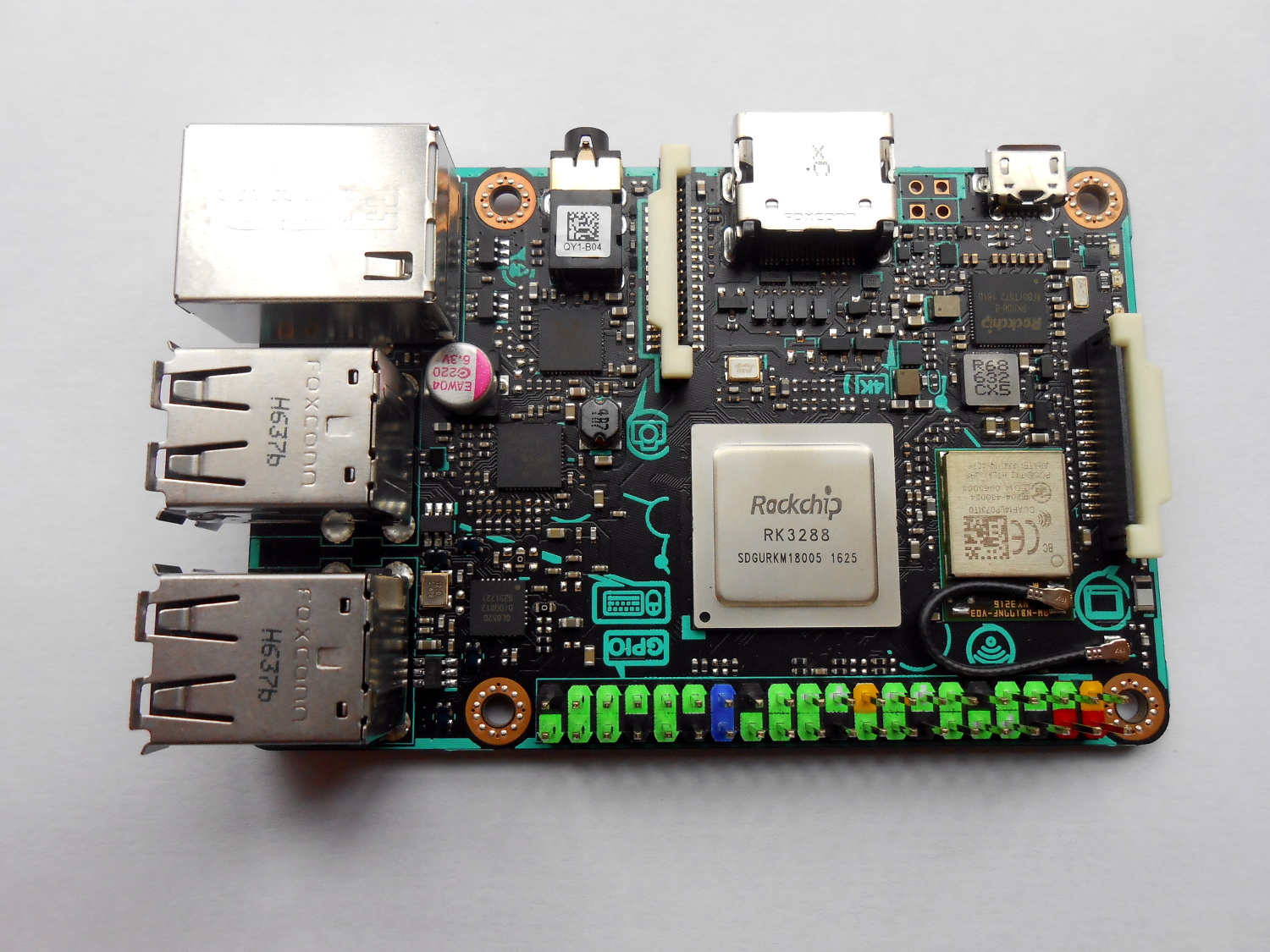
The launch of the B+ changed all that, as the Pi now had a well-thought-out form factor with a guarantee of being future proof. Successors to the Model B+ would follow the same format, which gave the after-market of add-on manufacturers the confidence they needed to support it. If you wanted to compete with the Pi it would be a brave move to not have at least some sort of nod to the new form factor, so we’ve seen a continuous stream of other boards following it.
A by no means complete list culled from a few minutes with a search engine brings us models from Orange Pi, Nano Pi, Banana Pi, Odroid, RockPi, Asus, Libre Computer, and our favourite, the Zberry (a Z80-based personal project we featured in 2017). There are plenty more, but it should be pretty clear that to take a Chinese tablet or phone SoC and make it look like a B+ with a random-fruit-name-Pi moniker is a winning formula if you’re based in Shenzhen and in the SBC business.
Did They Get It Right, And Can They Hang On To It For Another Five Years?
The success of all these machines with the same form factor and the huge range of HATs to go with them would indicate that the Raspberry Pi designers got something right five years ago. But it’s dangerous to assume that there is nowhere further to go, did they really succeed? Physically the dimensions of the board and choice of the 40-pin connector at one edge avoid the pitfall taken by the classic Arduino of odd dimensions, and the relocation of the larger sockets to one edge of the board avoid the need for awkward cut-outs that were a hallmark of some add-ons for the original. You may encounter Raspberry Pi owners complaining about the micro-USB power or the slow network and USB ports, but the form factor scores low on the list. If we were challenged to find a problem with it we might look at cooling, the original B+ had a bare processor while most of the more recent boards have to find space for a heatsink and possibly even a fan underneath their HATs. Perhaps this is something the designers will have to address in future versions.
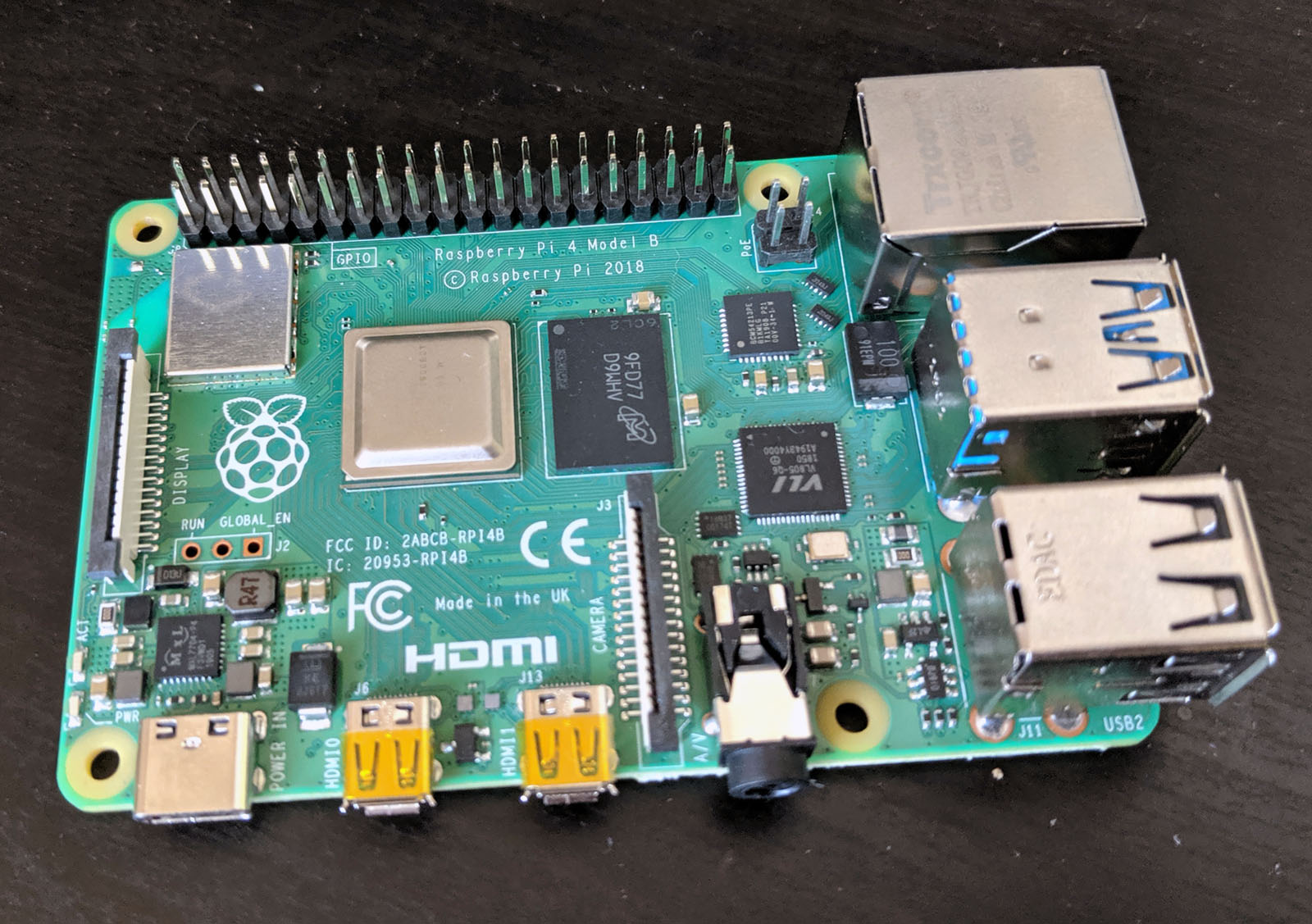
The Raspberry Pi 4 may follow the same HAT form factor as the B+, but it is the first of the line to make significant changes to the rest of the formula. It has been normal for clones to reverse the positions of USB and Ethernet sockets and USB-C for power is an obvious progression, but the Pi 4 makes a more controversial choice in its replacement of the single full-size HDMI socket with a pair of micro-HDMI receptacles. Aside from rendering a host of case designs obsolete at a stroke, is this a canny move? We’d call it “Bold” in the sense of “A bit reckless”, because while the Pi Zero has always had a micro HDMI socket it has always brought with it the annoyance of having to find an adapter. The attraction of the Pi from day one was that it could be plugged directly into a domestic television, and with this update that ease of use has been removed. Who has a micro-HDMI adapter just lying around, assuming that they don’t already have a Pi Zero? The answer is almost nobody, and while the prospect of dual displays is an attractive one, the feeling can’t be escaped of having lost something along the way.
The ownership of a physical form factor standard can be surprisingly fluid, and will sometimes escape its creators when its adoption becomes wide enough to eclipse their original. Readers with very long memories will recall the PC wars of the 1980s as an example, when IBM tried to move the industry away from the ISA bus as found in the earlier PCs. The industry had other ideas and persisted in developing ISA into the mid 1990s while IBM’s MCA failed to gain a foothold. The Raspberry Pi ecosystem is definitely healthy enough to follow whichever way the designers take its form factor, but has that of the Pi clones reached maturity enough to no longer follow? We’ll count the HDMI sockets on 2021’s offerings and report back.