Back in March, the call went out: take your wiggliest, floppiest, most dimensionally compliant idea, and show us how it would be better if only you could design it around a flexible PCB. We weren’t even looking for a prototype; all we needed was an idea with perhaps a sketch, even one jotted on the legendary envelope or cocktail napkin.
When we remove constraints like that, it’s interesting to see how people respond. We have to say that the breadth of applications for flex PCBs and the creativity shown in designing them into projects was incredible. We saw everything from circuit sculpture to wearables. Some were strictly utilitarian and others were far more creative. In the end we got 70 entries, and with 60 prizes to be awarded, the odds were ever in your favor.
Now that the entries have been evaluated and the winners decided, it’s time to look over the ways you came up with to put a flexible PCB to work. Normally we list all the winners in our contest wrap-ups, but with so many winners we can’t feature everyone. We’ll just call out a few of the real standout projects here, but you really should check the list of winning projects to see the full range of what this call for flexibility brought out in our community.
Circuits You Can Wear
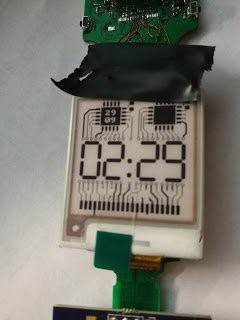
As expected, a fair number of entries came from the wearables space. The human body has few flat parts, at least on most of us, and the flexible PCB can be a game changer in producing form-fitting electronics for sensors, actuators, and displays. Basti Neumann’s “Schmartwatch”, designed in homage to the Pebble watch, is an always-on e-ink display that takes advantage of flex PCBs specifically for the watch band. It’s a feature-packed wearable that Basti has already ramped up to a small production run.
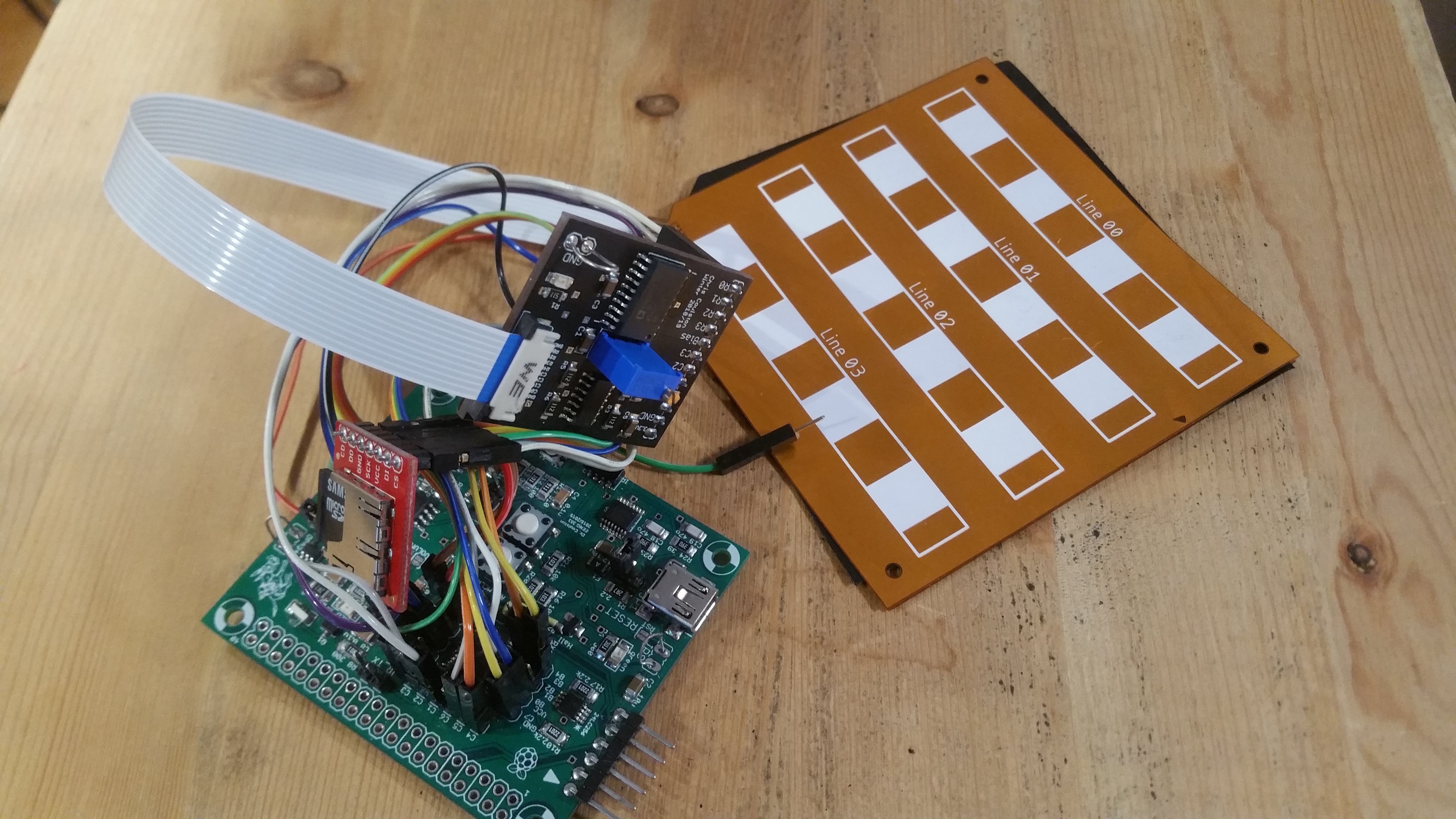
Also somewhat in the category of wearables is the piezoresistive sensor element that Chris Coulston came up for optimizing prosthetic limb fitment. As we previously described, the idea came about from watching a friend struggle getting the right fit on a prosthetic leg. His friend had developed a one-channel force sensor to measure the pressure between the residual limb and the prosthetic, but Chris took it to the next level. His matrix of sensors uses flex PCBs and Velostat to build a real-time picture of forces over the entire interface between limb and prosthetic, and could be a real boon to getting a comfortable fit.
What Goes Up…
Few areas have benefitted as much from advances in electronics design as the aerospace field has, and Eric Sims’ Flexible GPS Antenna for model rockets proves that’s not just limited to the big flying machines. Although since this array of five GPS antennas, intended to keep a GPS lock and aid recovery no matter how the rocket lands, was designed to wrap around a 4″ (10 cm) diameter rocket tube, we’re not sure Eric’s rockets are exactly toys. We really like the fact that each antenna has its own LNA, and that an addressable RF switch can power down antennas to save power.

Flexible Repairs
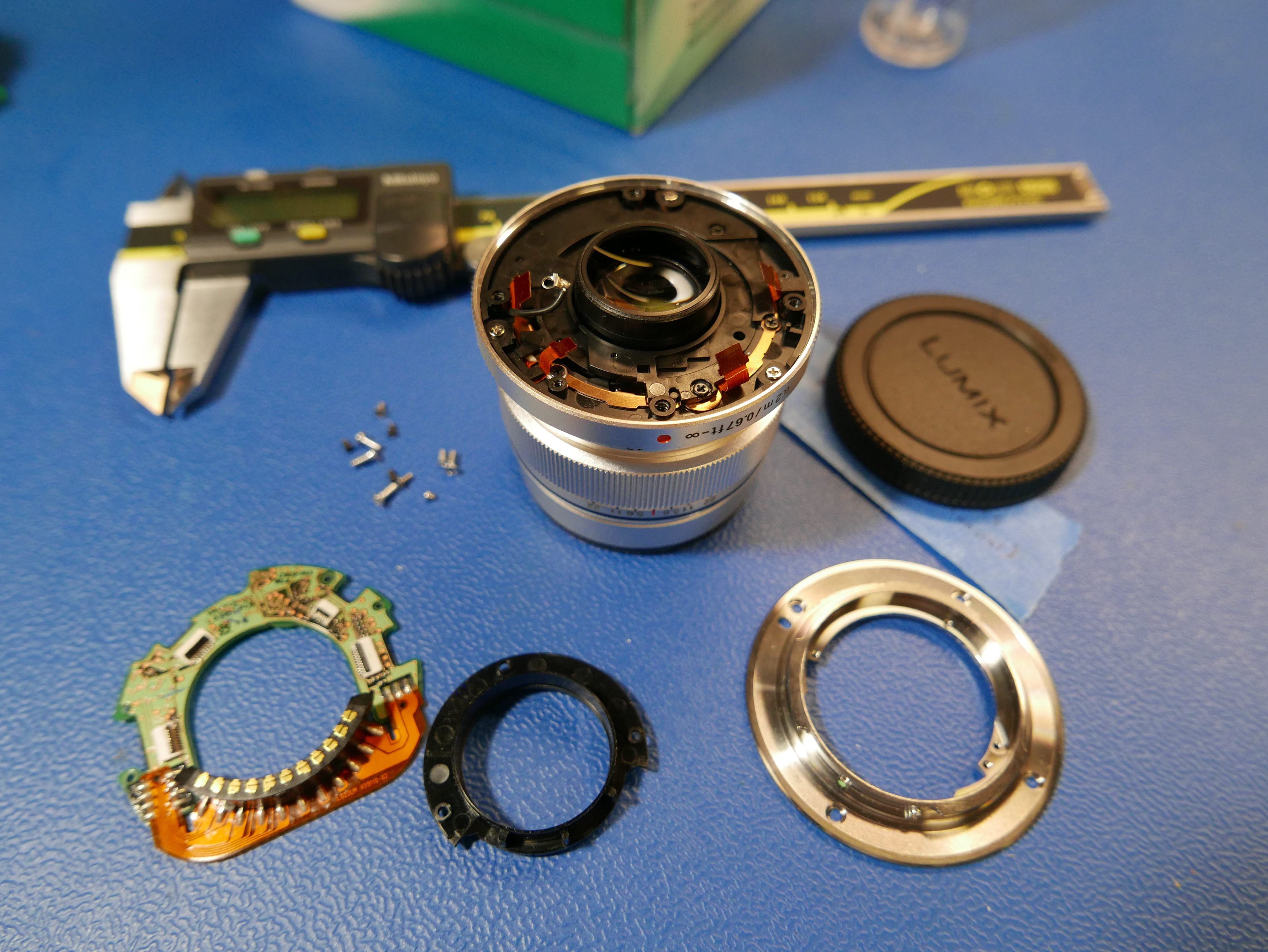
We’re not surprised to open up a laptop or TV these days and see a fair number of flexible PCBs. That makes sense, since being able to jam a PCB in that conforms to often complex shapes and can move around a bit is an important aspect of modern design. Anthony Kouttron learned the hard way that flex PCBs aren’t bulletproof, though, as he tore one while attempting a deep cleaning of a beloved camera lens. Unable to source a repair part, Anthony did what any of would do: he made his own replacement flex PCB.
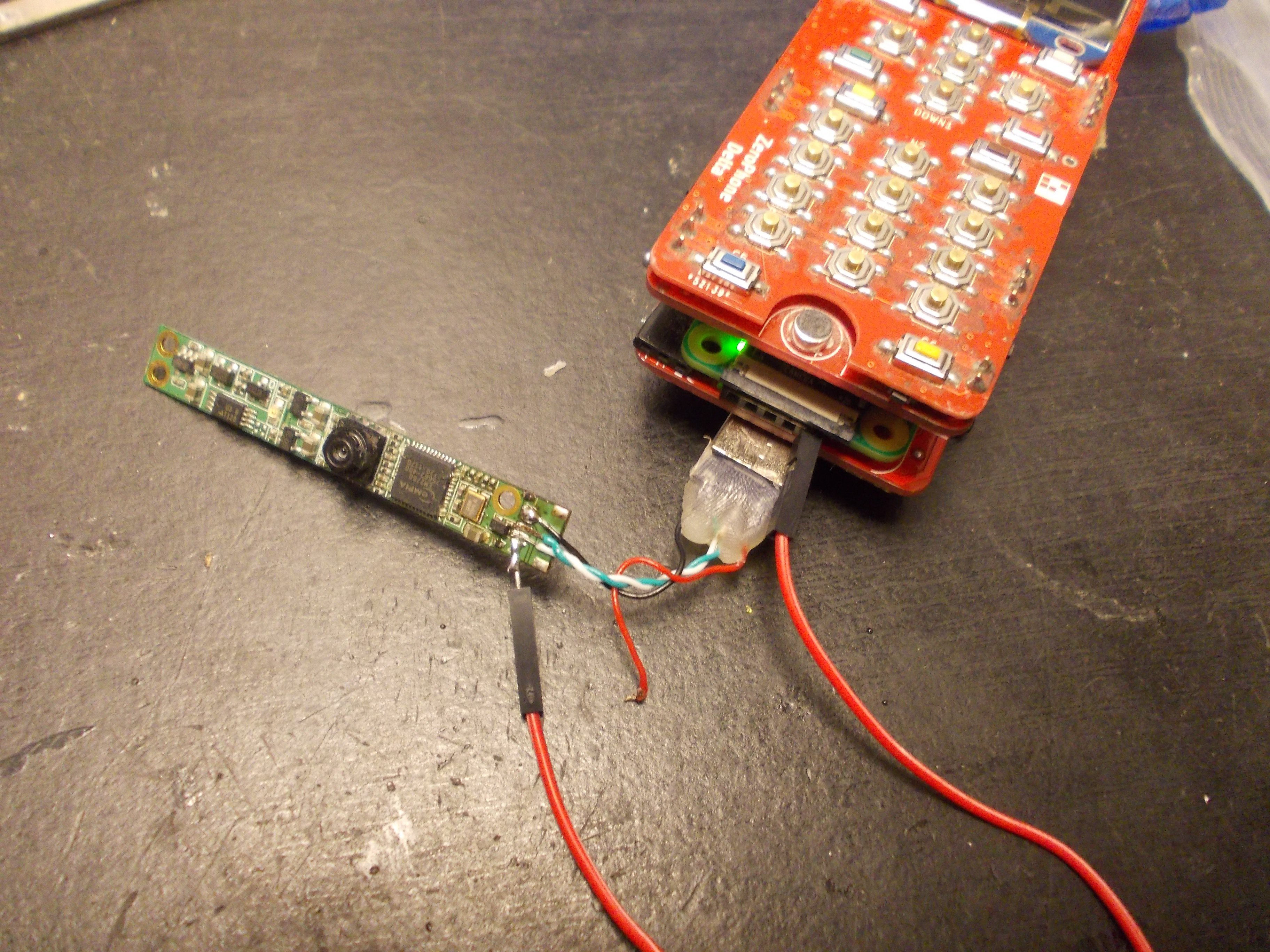 Dead laptop? The least you can do is harvest the camera before sending it off to e-waste.
Not so much a repair as a repurposing, we really enjoyed Arsenijs’ guide to laptop webcam reuse. Dead laptops are a dime a dozen, and most of them are crammed with goodies. And most of that stuff is connected with low-profile flex PCB connectors and harnesses. Once you liberate the camera, dealing with the flex PCB and sorting out the wiring can be a chore.
Congratulations!
As we mentioned, your odds of winning this contest were really good. Sixty of the seventy entries were selected, and each will receive a code from our sponsor OSH Park good for three complementary PCBs. Winners have been notified by email with instructions on redeeming their code. In addition, we offered three $100 Tindie gift cards to entrants from three categories: Best Project, Best Documentation, and Best Social Media Picture or Video. Sadly, we got no social entries that went the social media route, so we couldn’t award that gift card. But Madaeon took the prize for best documentation for his silicone-free DIY flex keyboard, and Basti’s Schmartwatch won for Best Project.
Congratulations to all the winners of the Flexible PCB contest. We hoped the contest rules would prove challenging both through the constraints and the freedom of the rules. We weren’t disappointed. And here’s hoping that everyone takes a look at the new Connected World contest.